 Jönköpings Södra IF
Introduction
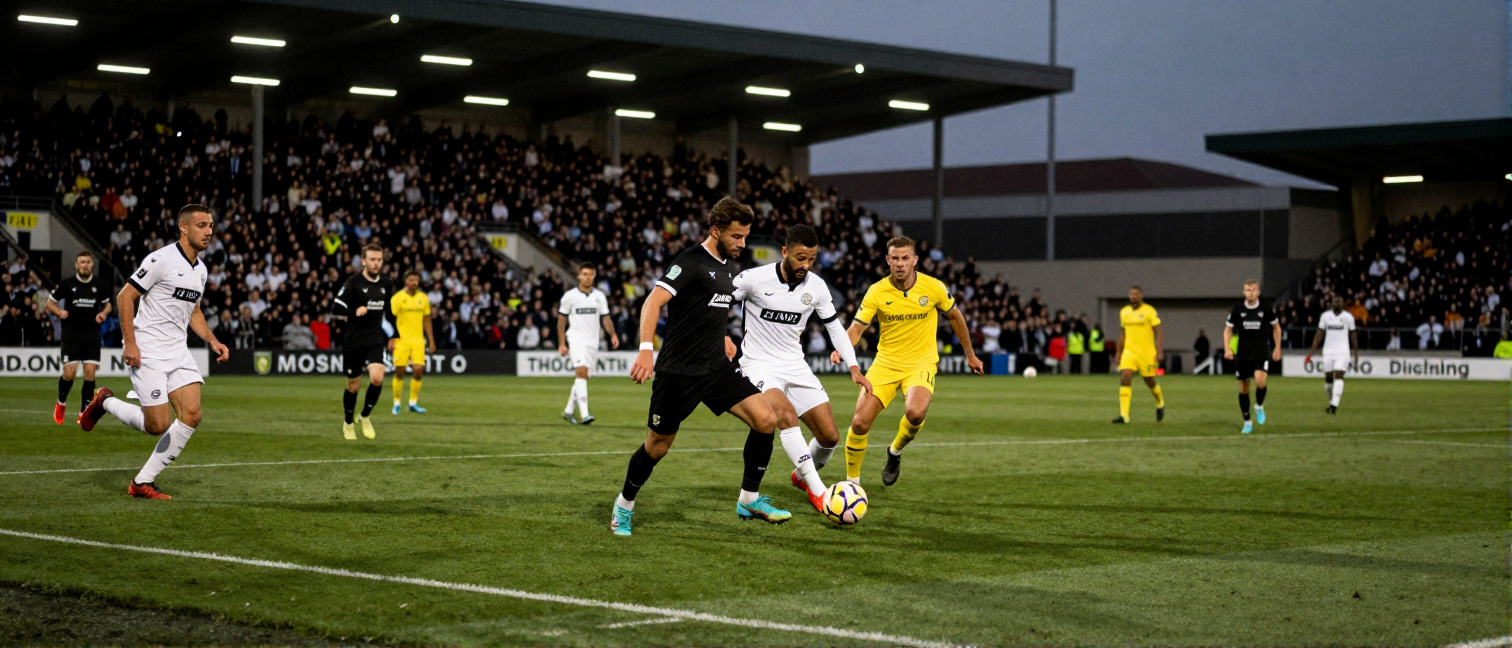
Jönköpings Södra IF, known for their passionate fanbase and competitive spirit, have shown some inconsistencies in their recent performances in the league. As they aim to solidify their standing, a tactical analysis of their midfield play can highlight necessary tweaks that could boost their control over matches and ultimately, their points tally.
Current Midfield Dynamics
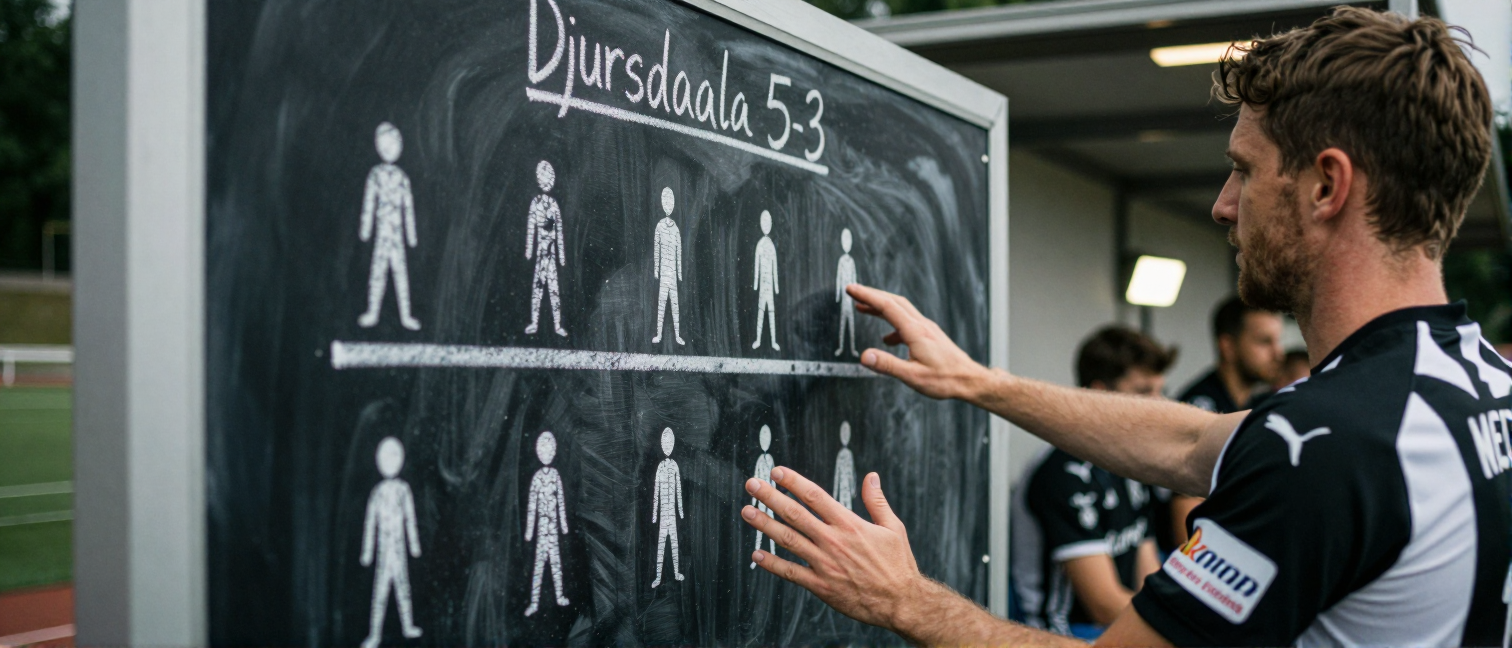
In recent games, J-Södra’s midfield has occasionally struggled to maintain possession under pressure, often leading to a fragmented play style that hampers their attacking flow. The current formation, primarily a 4-2-3-1, has its merits, but it's clear that the midfield trio lacks cohesion. Players often find themselves occupying similar spaces, which leads to a congested area without proper distribution of the ball to the wings or forwards.
Suggested Tweaks
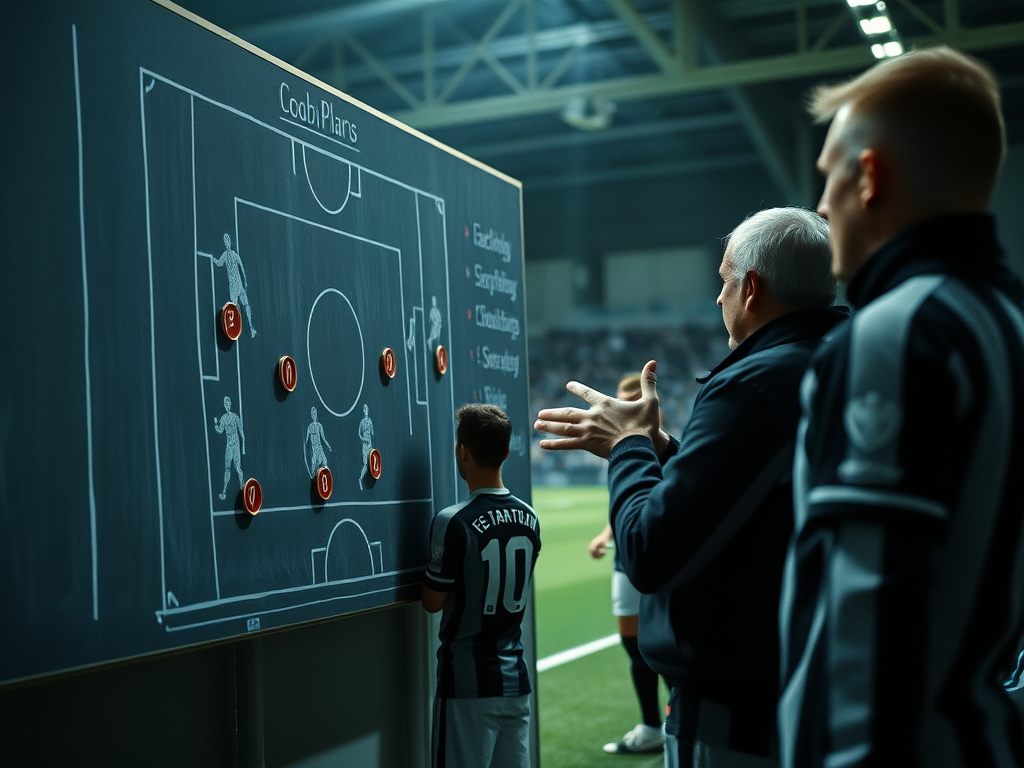
1. Switch to a 4-3-3 Formation Transitioning to a 4-3-3 formation could provide a more balanced midfield presence. This setup allows for a central pivot, flanked by two more advanced midfielders, enabling better ball distribution and facilitating quick transitions. The central pivot can act as a shield for the defense while also connecting the backline with the forwards seamlessly.
2. Player Roles and Responsibilities Assigning distinct roles within the midfield will be crucial. For instance, designating a player like D. Kozica as the deep-lying playmaker can help in dictating the tempo of the game. Meanwhile, allowing more dynamic players to take on advanced roles will help in supporting the attack and stretching opposition defenses.
3. Improving Width and Wing Play To maximize the effectiveness of the midfield, it’s essential to utilize the width of the pitch. Encouraging wingers to stay wide and allowing full-backs to overlap can stretch defenses, creating space for midfielders to exploit. This can lead to more crosses into the box and opportunities for strikers to capitalize on.
4. Increased Pressing Implementing a high pressing tactic can disrupt the opposition's buildup play, giving J-Södra more opportunities to regain possession in advanced areas. By training the midfield to engage opponents higher up the pitch, they can create turnovers that lead to quick goal-scoring chances.
Conclusion
By focusing on these tactical adjustments, Jönköpings Södra IF can enhance their midfield's effectiveness, leading to improved control of matches. As they prepare for upcoming fixtures, implementing these strategies could make a significant difference in their pursuit of a successful league campaign.