 Jönköpings Södra IF
Fine-Tuning Jönköpings Södra's Tactics for Enhanced Performance
As Jönköpings Södra IF continues to navigate the competitive landscape of the league, their recent form has offered a blend of hope and concern. The team has shown glimpses of brilliance, yet inconsistencies have crept into their performances, particularly in high-pressure situations. To harness their potential fully, a tactical analysis reveals several areas for adjustment that could enhance their effectiveness and yield better results.
Current Tactical Setup
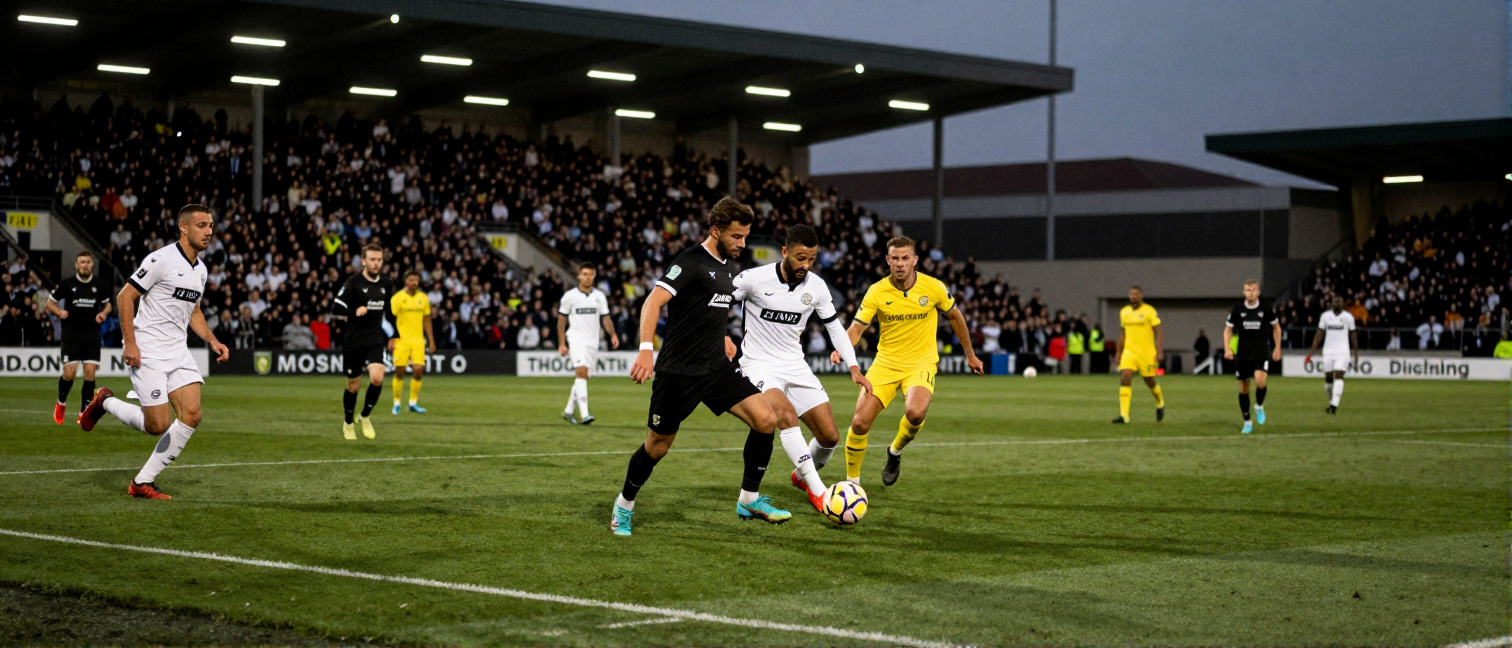
J-Södra has predominantly employed a 4-3-3 formation in recent matches, which has allowed for dynamic attacking play and a solid midfield presence. The front three, led by an agile striker, has the potential to stretch defenses, while the midfield trio aims to control possession and facilitate transitions. However, the team has occasionally struggled to maintain defensive solidity, especially when transitioning from attack to defense. Opponents have exploited these moments, leading to critical goals conceded.
Defensive Organization
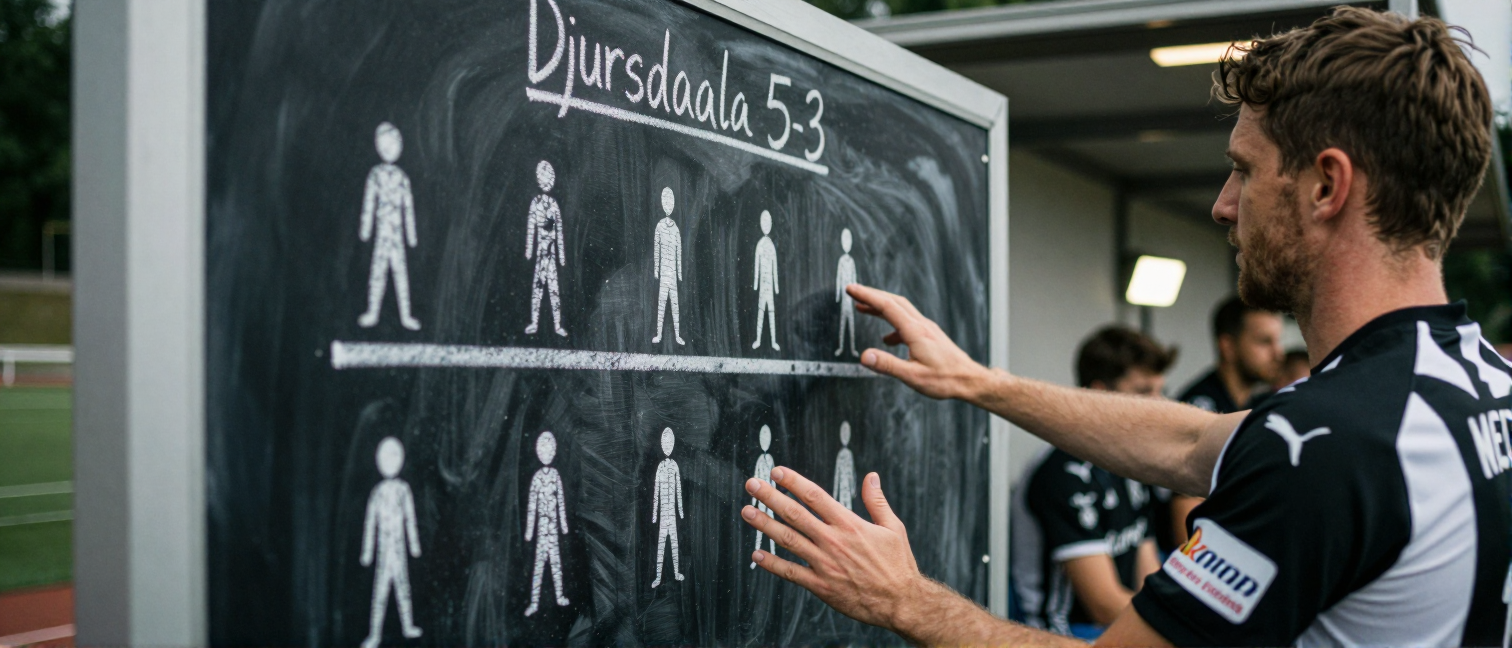
One area that requires immediate attention is the organization of the defensive line. While the full-backs provide width during attacking phases, they often leave gaps behind when the play breaks down. A slight tweak to a more conservative approach could benefit J-Södra significantly. By instructing the full-backs to remain deeper during attacks, the team can ensure a more compact defensive shape, reducing the risk of counter-attacks. This adjustment could also allow the midfielders to drop back and reinforce the defense when needed, creating a more balanced team structure.
Midfield Dynamics
In the midfield, the balance between creativity and defensive duties needs fine-tuning. Currently, the midfield trio consists of a playmaker, a box-to-box midfielder, and a pivot. While this setup has its merits, increased emphasis on pressing and ball recovery could enhance J-Södra's performance. Introducing a more aggressive pressing strategy, particularly in the opposition's half, could force turnovers and create scoring opportunities. This would require the box-to-box midfielder to take on a more prominent role in disrupting the opponent’s play, allowing the playmaker to exploit the ensuing space for quick transitions.
Attacking Cohesion
Offensively, J-Södra has demonstrated moments of fluid attacking play, but a lack of cohesion at key moments has hindered their scoring potential. Incorporating more structured movements and patterns in the final third could lead to improved goal-scoring opportunities. For instance, encouraging the wingers to make diagonal runs towards the center can open up spaces for overlapping full-backs, creating mismatches against defenders. Additionally, rehearsing set-piece routines could capitalize on their physicality, especially against teams that struggle to defend aerial threats.
Player Roles and Responsibilities
To implement these tactical tweaks successfully, clear roles and responsibilities must be communicated to the players. The coaching staff should emphasize the importance of discipline during transitions and defensive phases, ensuring that all players understand their contributions to the overall strategy. Regular video analysis sessions, focusing on both successful and unsuccessful plays, can reinforce these concepts and foster a stronger tactical understanding among the squad.
Conclusion
As Jönköpings Södra IF looks to climb the league standings, fine-tuning their tactical approach could be the key to unlocking their full potential. By enhancing defensive organization, maximizing midfield dynamics, and fostering attacking cohesion, J-Södra can transform their promising performances into consistent results. With the right adjustments, the team can look forward to a successful campaign, reclaiming their status as a formidable force in Swedish football.