 Jönköpings Södra IF
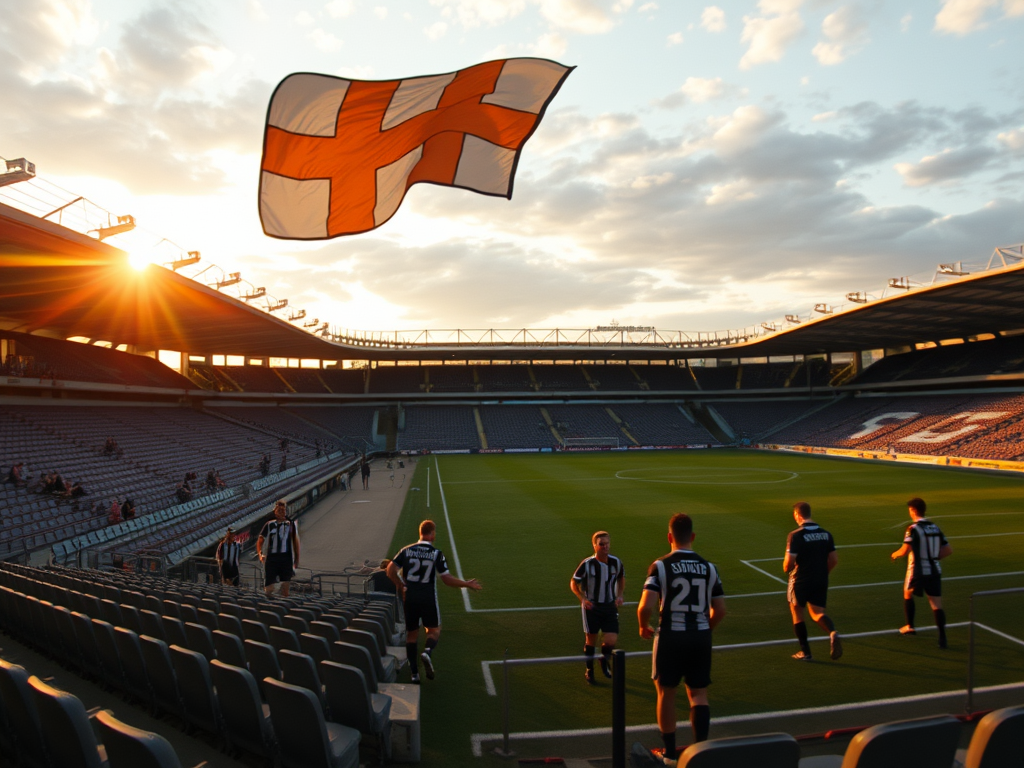
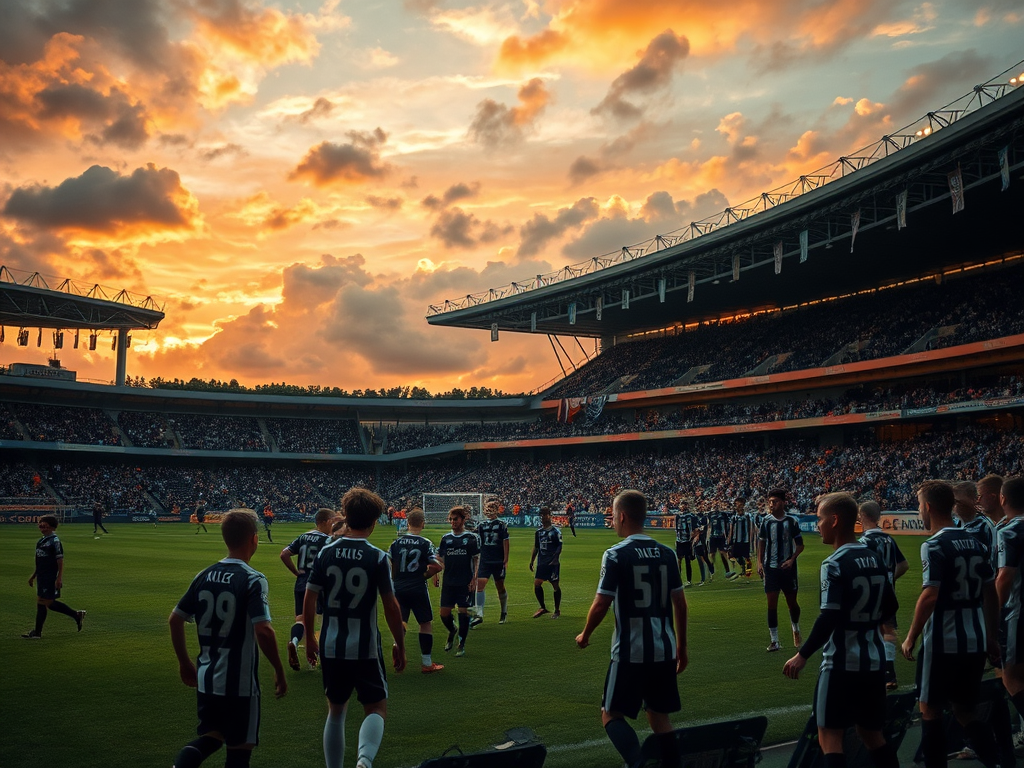
Jönköpings Södra IF's supporter culture is one of the strongest in Sweden. The stadium is a place for everyone, regardless of age or previous relationship to football. Here, people build community, friendship and an identity that makes the football crowd unique. For many, supporter culture is more than just two 45-minute matches on the pitch. It's about everything around it. The walk to the stadium. The chat at the pub before the match. The recognition of faces on the stands year after year. The songs that echo over the stadium match after match. It's a culture that unites generations. On Swedish stands, children stand next to pensioners, students next to workers, and newcomers next to people who have followed the club their whole lives. That's why Robin's story is so important. A 40-year-old hockey supporter who moves to Jönköping and finds home on Vallens stand. That's the core of supporter culture. No questions about where you come from or how long your heart has belonged to the team. What matters is that you're there. That you sing, that you care. In Jönköping, supporter culture has long been an important part of the city's identity. Despite sporting ups and downs, supporters have continued to gather around Stadsparksvallen and Jönköpings Södra IF. That says something about what football really means. Successful supporters can be found everywhere, but the strongest stands are often built in adversity. That's where real bonds are created between people and the club. Swedish supporter culture is also unique. Here, there's a passion and a stand culture that many larger leagues envy. Top-class tifos, organized groups, and a living supporter culture even down in the series system. But above all, there's an idea that football belongs to the people. The stands are our home. That doesn't mean the stands are exempt from problems. Of course, there are things that need to change within Swedish football. But when pyrotechnics and penalties take center stage in articles and reports about the stands, you risk missing the most important thing: why people seek out the stands from the start. They do it for the feeling. For the community. For the identity. That's where supporter culture's real strength lies. To Robin and all the other additions to the Södra family: The football stands are a place for everyone, old and young, and that's how it should continue to be.
Club
Jönköpings Södra IF builds strong community - The stadium is our home
Jönköpings Södra IF's supporter culture is one of the strongest in Sweden. The stadium is a place for everyone, regardless of age or previous relationship to football. Here, people build community, friendship and an identity that makes the football crowd unique.